
Soundtrack to Inspiration


What drives you to write? This question often serves as a profound inquiry into the motivations and inspirations behind the act of writing. For many, the urge to put pen to paper or fingers to keyboard stems from a deep-seated passion for storytelling, a desire to explore complex emotions, or the need to communicate ideas that resonate on a personal or universal level. If you find yourself crafting epic scenes set against vast, breathtaking landscapes, you may wonder if the ambience of your surroundings plays a crucial role in your creative process.
Do you require the music to match the grandeur of the worlds you are building? Many writers have shared their experiences, and I have spoken to countless authors, each with their unique approach to the craft. Yet, intriguingly, the answer often converges on a common theme: the importance of sound in the creative process. The right soundtrack can serve as a catalyst, igniting the creative side of the mind and awakening the imagination in ways that silence simply cannot. It can transform a mundane writing session into an immersive experience, allowing writers to feel as if they are part of the very worlds they are creating. For instance, the sweeping orchestral scores often found in cinematic soundtracks can evoke feelings of grandeur and adventure, perfectly complementing the epic narratives being penned. Conversely, softer, more introspective melodies might be more suitable for intimate character development or poignant moments of reflection within a story.
Moreover, the relationship between sound and creativity is not merely a matter of preference; it can also influence the mood and tone of the writing itself. A lively, upbeat track might inspire a sense of urgency and action, pushing a writer to craft thrilling chase scenes or dynamic dialogue. In contrast, ambient sounds or nature-inspired music can help to ground a writer in the setting they are describing, enhancing the vividness of their descriptions and enabling them to transport readers to fantastical realms or serene landscapes. Ultimately, the interplay between sound and writing is a deeply personal journey, one that varies from writer to writer. Some may find that complete silence is their sanctuary, while others thrive in the presence of carefully curated playlists that resonate with their creative vision.
Regardless of the method employed, it is abundantly clear that sound possesses a remarkable power to shape the writing experience, providing an auditory backdrop that not only enriches the narrative but also fuels the imagination in profound ways. The right sounds can create an atmosphere that enhances focus, evokes emotions, and inspires creativity, making the writing process not just a task, but a journey filled with sensory engagement.
Thus, as you embark on your writing endeavours, it is essential to consider how the sounds that surround you can influence your work and how they might serve to elevate the stories you wish to tell to new heights.
Sometimes, the perfect accompaniment to your writing is found in the delicate strains of classical music, with its intricate melodies and harmonies that can transport you to another time and place, allowing your thoughts to flow freely onto the page. The soft piano notes or the sweeping orchestral arrangements can create a serene environment that fosters concentration, helping you delve deep into your narrative world. Other times, it might be the stirring soundtracks from your favourite movies that evoke powerful emotions and bring you back to those epic moments that initially ignited your passion for storytelling. These cinematic scores can remind you of the magic you felt when you were captivated by the visual storytelling on screen, encouraging you to channel that same energy and excitement into your writing.
There are also occasions when the music you grew up with resonates deeply within you, reminding you of your roots and the passion that first drew you to writing. The familiar tunes can serve as a comforting presence, sparking nostalgia and inspiration that can lead to a more authentic and heartfelt expression in your work. However, I have also discovered that sound is not limited to music alone; it can encompass a wide range of auditory experiences that can profoundly impact your creative process. For instance, the steady roll of rainfall can act as a soothing backdrop, creating a rhythmic pattern that encourages introspection and deep thought. The gentle patter of raindrops can drown out distractions and provide a tranquil environment conducive to writing.
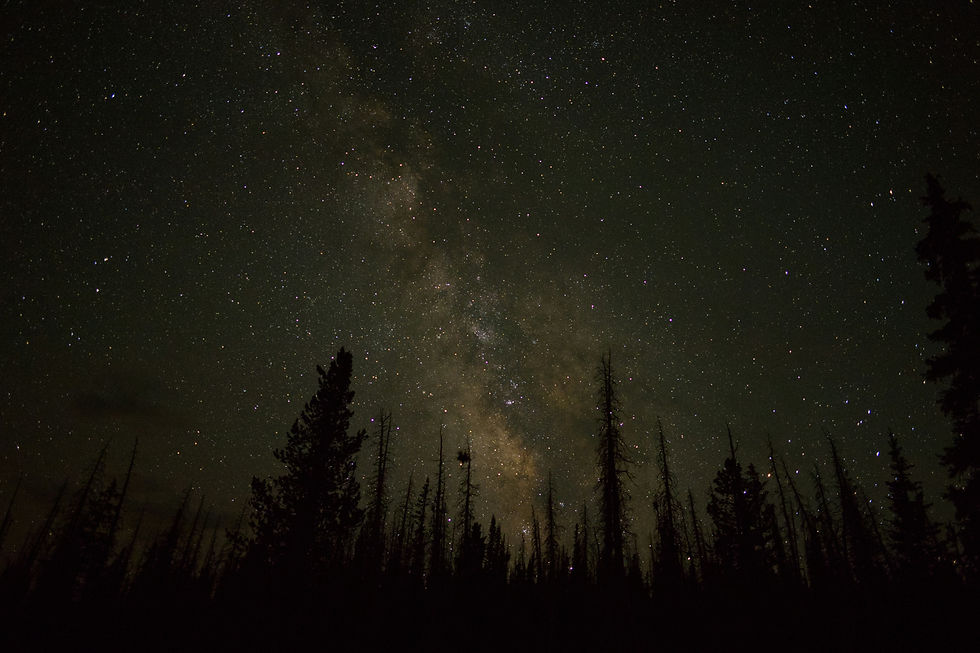
Moreover, the ASMR of a starry night at a campsite, filled with the sounds of crickets chirping and the occasional hoot of an owl in the distance, can evoke a sense of peace and connection to nature that fuels creativity. These natural sounds can inspire vivid imagery and transport you to serene landscapes, allowing your imagination to run wild as you weave tales of adventure and exploration. In essence, it all comes down to the same idea: sound has the potential to be a powerful catalyst for creativity, influencing the mood, tone, and flow of your writing.
So, where do you have to go to generate the words on the page? This question invites you to explore not only the physical spaces that inspire you but also the auditory environments that can enhance your writing experience. Consider the places where you feel most creative—whether it’s a bustling café filled with the hum of conversation, a quiet library where the only sound is the turning of pages, or even the comforting chaos of your own home. Each setting brings with it a unique soundscape that can either stimulate your thoughts or provide the calm you need to focus. By being mindful of the sounds that surround you, you can create a personalised writing atmosphere that nurtures your creativity and helps you find your voice on the page.


Comments